For the everyday amateur photographer motorsport photography can prove hit and miss. Capturing an image of a car traveling at high-speed whilst negotiating other fans, catch-fencing and atmospheric conditions is a daunting task for all but the professionals, who obviously enjoy better line of sight and have access to the very longest lenses! Below are some ideas to help you capture a prized image of a very special day.
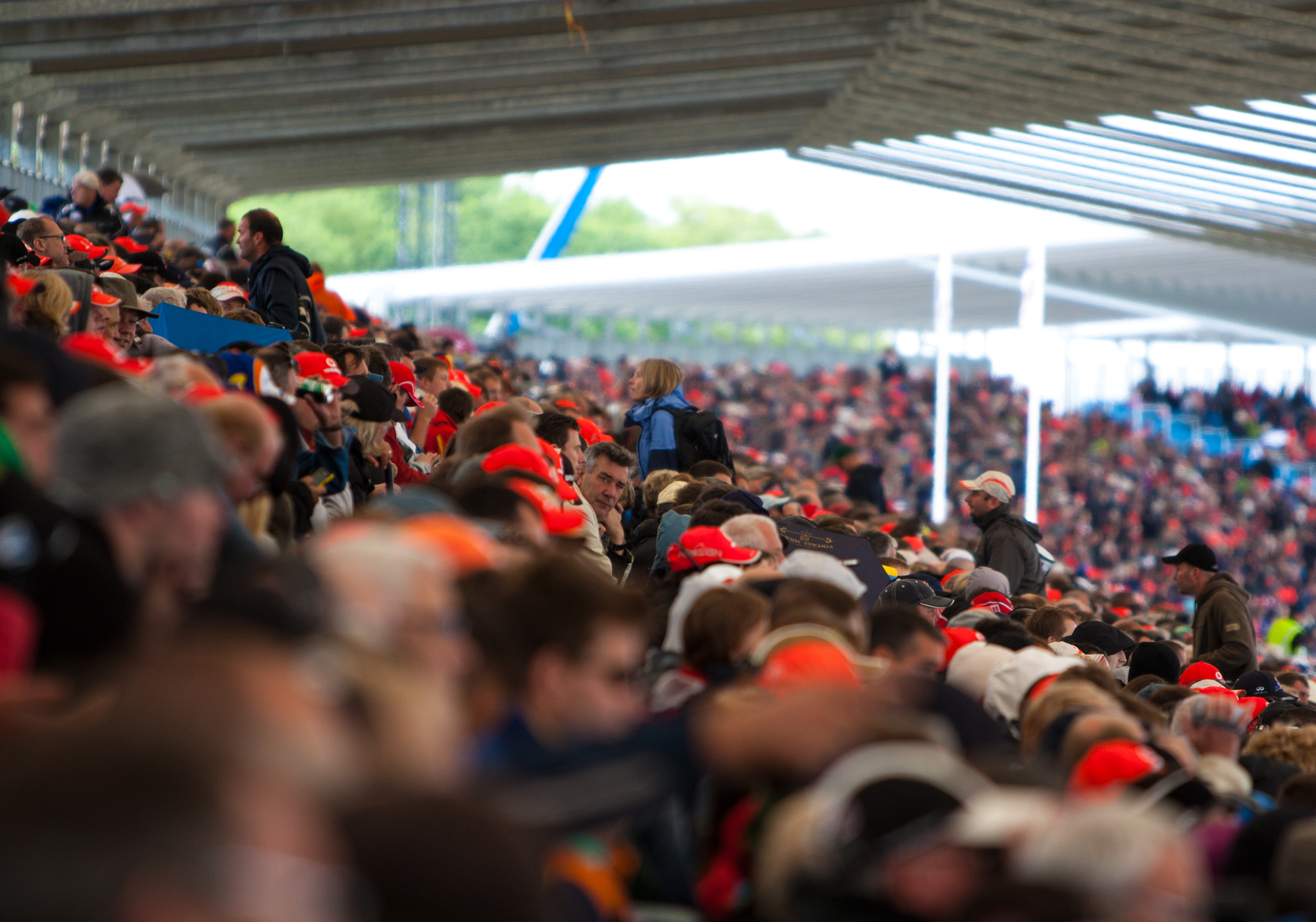
Whether it be F1, BTCC or Moto-GP try and attend the practice/test sessions as crowds tend to be smaller and competitors often spend longer on track – speeds may also be lower, offering better opportunities to grab that shot. In addition, should you also attend the race, the testing/practice days will help you find the best place to stand.
SLR Cameras
Digital SLR cameras are now the equipment of choice. Aside from swapping lenses, they offer numerous other advantages over cheaper, smaller digital camera. For example, aside from a broader choice of shutter speeds on a SLR, smaller digital cameras can suffer from shutter-lag – a noticeable delay between pressing the button and capturing the image.
One of the most popular forms of capturing motorsport photography is through an approach called ”panning’. If you are going to practice panning, try and allow yourself some distance between you and the track initially. With the speeds in modern-day motorsport, you may struggle to pan fast enough to keep the car in the frame. As you pan, try and keep one part of the car in focus – the front wheel, driver’s head or engine cover (for F1) are favoured among professionals. Regarding equipment, try to use a lens offering some form of stabilisation – a monopod would also prove useful.
Shots of cars on the angle or coming towards you can be quite tricky the car will be moving so quickly it is often difficult to focus and keep the car fully in frame. Try pre-focusing and waiting for the cars to come towards you. Don t worry about trying to catch the car directly in the full frame you will probably be too slow if you try this. It s best just to snap when the car comes into view and crop the photos at a later date.
If your camera features a motor wind, it is advisable to use it. Set it to a speed of around 3 frames a second and wait for the cars to start coming into frame and then let the camera start taking the photos. This technique means you are more likely to get some decent shots.If you are taking pictures of F1 cars along the straights, 1/1000 seconds is adequate for a decent still shot of the cars.
On a sunny circuit, set the shutter speed fairly high to get good quality photographs and to stop overexposure. Try bringing a variety of slower and faster film to ensure you have the best chance of good photographs. A faster film will generally be more flexible because it can be used in rain or shine, and slower films may not give good quality if the day is overcast. If you do use a slower film, remember you may have to open the aperture wide. However this will reduce the field depth and make the lens less sharp. It is worth leaving your camera on auto metering. The weather and light conditions are changing all the time so any presets you put in may not work for your entire time at the circuit.
Digital cameras
Most general digital cameras will not be good for decent Formula 1 photographs. The shutter lag time between actually pressing the button and the actual photo being taken is considerable compared to non-digital cameras, and will mean that you may miss a lot of shots because the cars are just too fast. If you only have a digital camera, sitting near the slower corners or at the end of long straights when the cars are either going slowly, or are coming directly at you, will increase the chance of taking decent quality shots. It isn t impossible to get outstanding shots from anywhere on the circuit, however it is more challenging with a digital camera.
Top tips for those first class photos
- Study the track in advance and identify what areas will be best for your shots and your camera.
- Book front row seats if possible (obviously a media pass is even better, but probably unobtainable for the majority of us!). Try to make sure that there will be no fencing obstructing your view.
- Book higher level seating if possible.
- Try to get to all three days of the race weekend the practice and test sessions will have fewer people and therefore better photo taking chances for you.
- A fast (or medium fast film) will give you better flexibility in all conditions.
- Be prepared to waste a lot of film!
- Use a film SLR camera if possible as shots of fast cars is harder with most digital cameras.
- Try to have at least one long range lens.
- Bring a monopod if you will be using long range lenses.
Finally, try to reduce the price of additional camera equipment by shopping around, fortunately there are numerous online services which allow budding photographers to compare camera and lens prices such as CameraPrices.com and CheckoutSpy.co.uk.